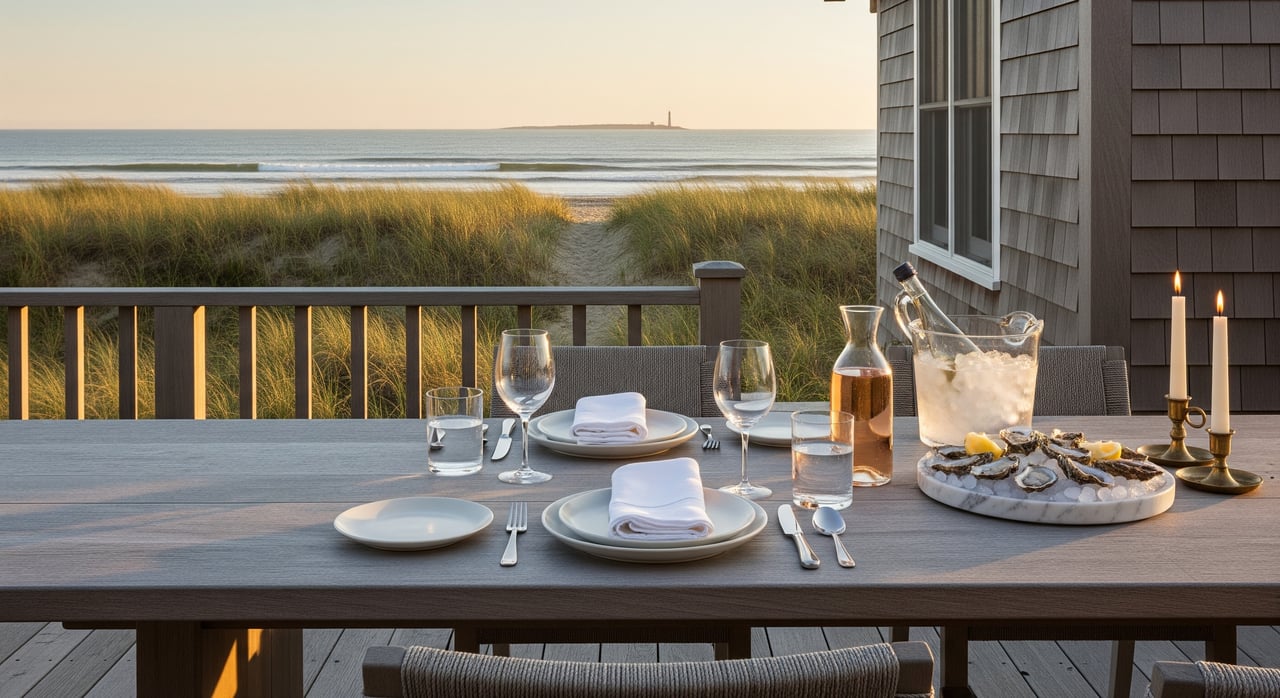
If you are looking for a Hamptons retreat that blends wild Atlantic energy with quiet, easy mornings, Montauk delivers. You can chase a sunrise surf, grab dockside seafood at sunset, and still find calm pockets to unplug. The pace changes by season, so the right plan helps you enjoy the best of both worlds. This guide gives you a clear view of beaches, marinas, dining, and quiet spaces, plus how each affects daily life for second‑home owners. Let’s dive in.
Beach rhythms and access
Montauk’s coastline swings from sandy ocean beaches to rocky headlands. On the Atlantic side, Ditch Plains is the name most surfers know for consistent beachbreaks and a welcoming lineup. You will also find wide sandy stretches within Hither Hills State Park that suit families and walkers. At the tip, Montauk Point State Park offers dramatic rock formations, trails, and the historic lighthouse.
Lifeguard coverage is seasonal and varies by beach. Parking rules, hours, and commercial activity permits are managed by the Town of East Hampton and New York State Parks. Before you go, check the Town of East Hampton for beach rules and permits, and look for posted flags and rip current warnings on site.
Environmental protections shape access in places. Dune systems and nesting habitats can trigger seasonal closures or reroutes. After major storms, expect shifted sand and adjusted walkways. These changes help protect the coastline and keep visitors safe.
Surf, swim, and scenic choices
- Surf: Ditch Plains draws a mix of locals and visitors. Late summer through fall often brings favorable swells and winds. Rips are common on exposed beaches, so read the conditions and respect the lineup.
- Swim and relax: Sections of Kirk Park Beach and parts of the harbor-facing shoreline can feel calmer, depending on tides and weather. Always confirm lifeguard schedules in season.
- Hike and photograph: Montauk Point and the bluffs around it are better for scenic walks and fishing than for bathing. Trails at the Point and in Camp Hero reward early starts with quiet views.
Marinas, boating, and fishing culture
Montauk Harbor is the hub for boaters. You will see commercial fishing boats, sportfishing charter fleets, private yachts, and transient slips side by side. Marina services range from fuel and slips to haul-out yards, tackle shops, and charter booking desks. Some operate year-round, while others scale up from spring through fall.
Sportfishing is part of Montauk’s identity. Seasons vary by species, and charters book heavily during peak months. If you plan to fish, review current rules and seasons through the New York State Department of Environmental Conservation. For harbor speed zones, mooring fields, and seasonal no‑wake areas, consult the Town of East Hampton for harbor guidance.
Transient dockage tightens in July and August. Early planning is your friend, especially for weekend arrivals and larger vessels. If you keep a boat here seasonally, expect marinas and boatyards to request insurance and safety documentation. Standard gear like life jackets and a working VHF radio is essential.
Dining, markets, and local food culture
Montauk’s dining scene mirrors the seasons. From late spring to early fall, waterfront decks and seafood shacks come alive. In winter, a core set of restaurants stays open with reduced hours, while others go on pause until spring. Menus lean into local fish and regional farm produce.
You will find a range of options near the harbor, including the cluster around Gosman’s Dock, along with mid‑range and fine-dining choices in town. Prices run higher in peak season due to demand and location. For weekend dinners, reservations are a smart move.
For provisioning, seasonal farmers markets and specialty grocers complement year‑round grocery options. Selection and hours can be tighter than in suburban areas, and summer demand can influence availability and pricing. Plan ahead during holidays and major event weekends.
Wellness and quiet corners
Montauk makes it easy to unplug. Forested trails, coastal walks, and sunrise or sunset rituals set the tone between busy stretches. Hike the bluffs, then settle into a secluded dune path during off-peak hours.
- Trails: Explore ocean views and military-era history in Camp Hero State Park, or take lighthouse-side paths within Montauk Point State Park.
- Quiet hours: Early mornings and shoulder-season weekdays offer the most privacy on popular beaches. Inland trails and preserved lands often remain peaceful even in midsummer.
- Wellness options: Outdoor yoga, resort spas, and fitness studios increase offerings in peak months. Many owners keep simple routines year‑round with beach walks and trail loops.
Seasons and daily rhythms
Montauk changes character across the year. Understanding the rhythm helps you plan when to host family, when to book charters, and when to savor quiet.
- Peak season (late spring to early fall): Lively, social, and fully serviced. Expect more traffic, longer restaurant waits, and limited marina availability. Book early and embrace early starts for space.
- Shoulder seasons (May–June, September–October): A balanced sweet spot. Many services are still open, weather is often welcoming, and crowds thin out.
- Off-season (November–April): Tranquil and community-oriented. Shorter hours and fewer venues, but beautiful hiking, easier beach walks, and calmer daily routines.
A typical summer day might start with a dawn surf, a midday marina run, and a sunset meal overlooking the harbor. In fall, swap the crowds for a long hike and a relaxed dinner in town. Winter rewards you with empty trails, vivid skies, and a slower pace.
Where to buy in Montauk
Location drives your daily experience. If you want to step onto a dock or into a dining room with minimal travel, the harbor area is convenient and active. If your priority is the ocean and surf, Atlantic-facing neighborhoods near Ditch Plains or Hither Hills bring you closer to the waves.
For maximum privacy, inland residential pockets offer calm and space. You will trade walkability for quiet and likely drive to beaches, harbors, and restaurants. Think about wind exposure, parking needs, and how you plan to use the home during peak months.
- Harborfront and Gosman’s area: Immediate access to marinas and waterfront dining. More summer activity and less seclusion.
- Atlantic-facing zones (Ditch Plains, Hither Hills): Proximity to surf and wide beaches. More wind exposure and fewer harbor conveniences.
- Inland residential pockets: Greater privacy and quieter nights. Driving required for most amenities.
Practical planning for second homes
Transport is straightforward but seasonal. Most owners drive via Montauk Highway, and traffic builds in July and August. The Long Island Rail Road’s Montauk Branch offers seasonal service to town; check the LIRR Montauk Branch for schedules.
Waterfront ownership requires extra diligence. Insurance, utilities, and septic systems deserve early attention. For flood-risk mapping and due diligence, review the official FEMA flood maps and speak with an insurance professional about coverage.
If you are considering rental income, know that short‑term rental rules and permits are set by the Town. Requirements can evolve across East End communities. Confirm current regulations and any needed permits on the Town of East Hampton site and consult a local attorney.
For boaters, plan ahead for peak-season slips, haul-outs, and winterizing. Harbor rules and seasonal advisories come from the Town; use the Town of East Hampton site for updates. Early bookings reduce friction and improve options.
Make Montauk yours
Montauk lets you choose your pace. You can live close to the docks and step into the summer buzz, or retreat inland for quiet mornings and ocean walks a short drive away. With the right plan, you will enjoy the surf, the harbor, and the serenity that make this tip of Long Island special across every season.
If you are weighing privacy, access, and investment considerations, connect with a local advisor who navigates these tradeoffs every day. For discreet guidance and a tailored search in Montauk and the wider Hamptons, connect with Alison Graham.
FAQs
What are the best Montauk beaches for a beginner surfer?
- Ditch Plains is the most recognizable surf spot with consistent beachbreaks, but conditions vary daily. Check lifeguard hours and read the water before paddling out.
How crowded does Montauk get in summer months?
- Visitor numbers surge from late spring through August, which affects traffic, restaurant waits, and marina capacity. Early reservations and early starts help you avoid the rush.
Are Montauk beaches public and easy to access?
- Many beaches have public access, but parking and lifeguards are seasonal and limited. Confirm rules and permits with the Town of East Hampton before heading out.
Can I count on marina services year‑round in Montauk?
- Some marinas operate throughout the year, while many scale up in peak season. For summer slips and haul-outs, plan and reserve early to secure space.
What should second‑home buyers know about flood risk in Montauk?
- Parts of the coastline fall within flood zones. Review official FEMA mapping and discuss coverage and mitigation with your insurer during due diligence.
Are short‑term rentals allowed in the Town of East Hampton?
- Rules and permits are set by the Town and can change. Verify the latest requirements on the Town’s official site and consult a local attorney before listing.